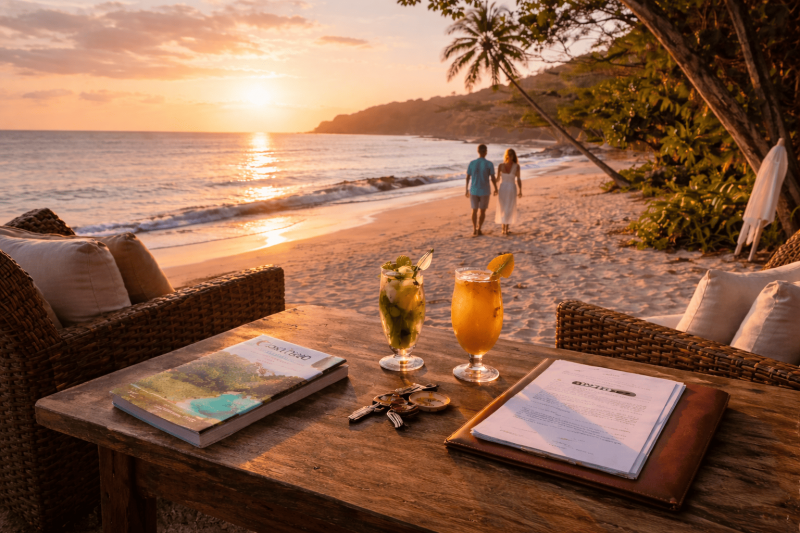
Have you ever considered owning a piece of paradise? With its incredible natural beauty and welcoming culture, Costa Rica is a top choice for foreign buyers looking for a second home, investment, or new life abroad. The real estate market is open and accessible, but navigating a new country's property laws can feel overwhelming. This guide will walk you through the process, providing the clarity you need to confidently pursue property ownership in this beautiful Central American nation.
Understanding Foreign Property Ownership in Costa Rica
One of the best things about buying property here is the country's welcoming legal framework for foreign buyers. Costa Rica extends the same property rights to foreigners as it does to its own citizens, creating a secure and transparent environment for your investment.
This equal footing means you can buy, sell, and own property with confidence. Before you begin your search, it's helpful to understand the specific laws and regulations that govern foreign property ownership. Let's explore what this means for you.
Can foreigners legally buy property in Costa Rica?
Yes, foreigners can legally buy property in Costa Rica. The country has a long-standing tradition of welcoming foreign buyers by granting them the same property ownership rights as Costa Rican citizens. This means you can purchase land, houses, and condos directly in your own name without needing a local partner.
This open approach has made Costa Rica a popular destination for international investors and expats. You don’t need to be a resident to own property, which simplifies the process for those looking for a vacation home or an investment opportunity.
The ability to hold a title in your personal name provides a strong layer of security. This legal certainty is a major reason why so many people from around the world feel comfortable investing and choosing to own property here.
Equal rights and legal framework for foreign buyers
Costa Rica’s legal framework is designed to be fair and transparent for everyone. As a foreign buyer, you are granted the same ownership rights as locals. This means you can buy, sell, lease, and inherit property just like a citizen would. This principle of equality is a cornerstone of the country's real estate system.
The government maintains a National Registry where all titled properties are recorded. This public database allows you or your attorney to verify ownership, check for liens, and confirm property boundaries before you commit to a purchase. This system adds a significant layer of security to every transaction.
While the rights are equal, it's still crucial to understand the legal requirements of a property purchase. Working with a qualified attorney ensures that your transaction complies with all local laws and that your ownership rights are fully protected from start to finish.
Are there restrictions on foreign ownership or residency requirements?
For the most part, you can purchase Costa Rican property without major restrictions. However, there is one important exception to be aware of: the Maritime Zone. This zone covers the first 200 meters of coastline from the high-tide line. The first 50 meters are public land and cannot be privately owned. The next 150 meters can be leased through a government concession, but outright foreign ownership is restricted.
You do not need to have residency to purchase property in Costa Rica. This makes it easy for non-residents to buy vacation homes or investment properties. While property ownership can support an application for residency, especially through investor visa programs, it does not automatically grant it.
If you are considering living in Costa Rica full-time, you might explore residency options. An investment of at least $150,000 in real estate may qualify you for an investor visa, but this is a separate process from the property purchase itself.
Getting Started: What You Need Before Buying
Jumping into a new property market requires careful preparation. For foreign buyers, this means getting your documents in order and understanding the financial commitments beyond the purchase price. Proper planning at this stage sets you up for a smooth transaction.
Doing your homework now helps you avoid potential legal issues and budget accurately. From gathering essential paperwork to finding the right professionals, taking these initial steps will empower you to navigate the buying process with confidence. Let's look at what you'll need.
Essential documents and paperwork for foreign buyers
When buying property in Costa Rica, having your paperwork organized is key to a smooth process. While the legal requirements are straightforward, you will need a few key documents to proceed with a purchase. Your real estate attorney will guide you, but it’s helpful to know what to expect.
The most important document you will need is a valid passport. This will be used for identification throughout the transaction. You'll also need proof of funds for the purchase. Your attorney will play a crucial role in drafting the purchase agreement and conducting a title search in the National Registry to ensure the property title is clear of any issues.
Here are some of the essential documents involved in the process:
- Valid Passport
- Purchase Agreement (Compra Venta)
- Title Deed (Escritura de Compraventa)
- Proof of funds
Financial preparation: costs, fees, and budgeting
Understanding the full financial picture is crucial before making an offer. Beyond the agreed-upon purchase price, there are several closing costs and fees you need to budget for. These costs are a standard part of any real estate transaction in Costa Rica and typically total around 3.8% to 5% of the property's value.
Your attorney will provide a detailed breakdown, but it's wise to plan for these expenses early on. These fees cover the legal and administrative steps required to transfer the property into your name and register it correctly.
Common costs you should prepare for include:
- Transfer Taxes: This is a government tax, typically around 1.5% of the registered property value.
- Notary Fees: These fees for the notary public who handles the closing are usually between 1% and 2%.
- Registration Fees: A small fee is required to register the new title at the National Registry, around 0.8%.
Finding reliable real estate professionals in Costa Rica
Assembling the right team of local experts is one of the most important steps you can take. A reputable real estate agent and a qualified real estate attorney are your essential partners in this journey. They will protect your interests and guide you through the local market and legal system.
When choosing a real estate agent, look for someone who is a member of a professional organization like the Costa Rica Global Association of Realtors (CRGAR). This indicates a commitment to ethical standards. It’s also wise to choose an independent attorney who is not recommended by the seller to ensure they are working solely for you.
Here’s how to find reliable professionals:
- Ask for referrals from other expats or foreign property owners.
- Interview multiple agents and attorneys before making a decision.
- Check for credentials and memberships in professional associations.
- Choose professionals who specialize in working with foreign buyers.
Popular Locations for Foreign Buyers
Costa Rica offers a diverse range of settings, and choosing the right location is a key part of your buying journey. From bustling city centers to tranquil beach towns, where you buy will shape your lifestyle and the property value of your investment. Many foreign property owners are drawn to specific regions for their unique amenities and communities.
Whether you're seeking lively nightlife, quiet retirement living, or profitable vacation homes, there's a corner of Costa Rica that's perfect for you. Let's explore some of the most popular areas for foreign buyers and what makes them so appealing.
Regions favored by Americans and other foreigners
Certain regions in Costa Rica have become hotspots for foreign investors and expats, and for good reason. These areas offer a combination of beautiful scenery, established communities, and modern amenities that make the transition to life in a new country much easier. The Guanacaste province, often called the "Gold Coast," is particularly popular among Americans.
This region is known for its dry climate, stunning beaches, and strong tourism, which creates excellent investment opportunities. Costa Rica’s real estate market in these areas has shown steady growth, making it an attractive option for those looking to buy a second home or an investment property.
Here is a look at some popular locations within the Guanacaste property market and what they offer:
Location | Key Features |
|---|---|
Papagayo Peninsula | Known for upscale resorts, golf courses, and luxury residences. |
Playas del Coco | A vibrant community with affordable properties and numerous amenities. |
Playa Hermosa | Offers a tranquil atmosphere with upscale homes and excellent beachfront investments. |
Tamarindo | A lively beach town with a strong expat community, surfing, and nightlife. |
Flamingo | Associated with upscale coastal living, resort communities, marinas, and luxury real estate opportunities. |
Santa Teresa | Known for its laid-back luxury feel, surf culture, and growing appeal among international buyers. |
Nosara/Guiones | Popular for wellness, surfing, and an upscale lifestyle with a strong international community. |
Jacó | A lively coastal town known for easy access, entertainment, and a wide range of real estate options. |
Manuel Antonio | Offers tropical scenery, established tourism, and strong appeal for vacation home buyers and investors. |
Uvita /Dominical | Popular for natural beauty, a slower pace of life, and increasing interest from buyers seeking lifestyle and investment potential. |
Puerto Viejo/ Cahuita | Known for Caribbean culture, lush surroundings, and a more relaxed lifestyle that attracts foreigners seeking something different. |
Factors to consider when choosing a location
Choosing the right location is about more than just finding a beautiful spot. Your decision should align with your lifestyle, budget, and long-term goals. Before you fall in love with an area's natural beauty, it's important to consider the practical aspects of living there day-to-day.
Think about what is most important to you. Do you need to be close to international schools or top-notch healthcare facilities? Are you looking for a quiet, secluded retreat or a place with a vibrant social scene? Answering these questions will help you narrow down your search.
Here are a few key factors to consider:
- Infrastructure: Check for reliable internet, paved roads, and proximity to grocery stores and clinics.
- Community: Spend time in the area to see if the local lifestyle and community feel like a good fit.
- Property Value: Research the area's property market to understand resale potential and long-term value.
- Local Regulations: Be aware of any zoning laws or HOA rules that could impact your plans for the property.
Lifestyle and community insights for expats
One of the biggest draws of Costa Rica is its "Pura Vida" lifestyle, which emphasizes a simple, relaxed approach to life. The welcoming culture makes it easy for expats to feel at home. Many areas, like Tamarindo and Playas del Coco, have large and active expat communities that offer a built-in support network.
These communities often host social events, share resources, and provide a sense of camaraderie that can make settling in much easier. Engaging with other foreign property owners can give you valuable insights into everything from finding the best local services to navigating cultural norms.
Whether you plan to live in Costa Rica full-time or part-time, the community you choose will play a big role in your experience. For investors, a strong expat and tourist presence can also mean a healthy demand for rental income, making community dynamics an important factor in your decision.
Step-by-Step Guide to Buying Property in Costa Rica
Now that you're familiar with the basics, let's walk through the actual buying process. The journey to a property purchase in Costa Rica is a clear, multi-step path. With careful planning and the right guidance, you can navigate each stage with confidence.
From initial research to the final closing, understanding these steps is essential. Following a structured approach, including thorough due diligence and adherence to legal requirements, ensures your investment is secure. Here is a step-by-step guide to help you.
Step 1: Research the Costa Rican real estate market
The first step in your journey is to immerse yourself in the Costa Rican real estate market. The market can vary significantly from one region to another, so it’s important to understand the unique characteristics of the areas you’re interested in. Look at price ranges, property types, and recent market trends.
For foreign investors, this research phase is critical for identifying the best investment opportunities. Consider your goals: are you looking for long-term appreciation, rental income, or a personal getaway? Your objectives will guide your research and help you focus on the right locations.
To get started with your research:
- Define your needs: Decide if you want a beach house, a city condo, or a mountain retreat.
- Analyze market data: Look into property values, tourism growth, and infrastructure development in your target areas.
Step 2: Engage a trustworthy real estate agent and attorney
Once you have a general idea of what you're looking for, it's time to build your team of local experts. A trustworthy real estate agent and an experienced real estate attorney are your most valuable allies. They will provide the local expertise and legal protection you need to make a sound investment.
A reputable real estate agent will help you find suitable properties and navigate the market, while your attorney will handle the legal complexities. It's crucial that your attorney is independent and specializes in real estate to ensure your interests are protected. They will perform essential tasks like the title search.
When selecting your team:
- Hire an agent first: A good agent can connect you with other reputable professionals, including attorneys.
- Choose an independent attorney: Avoid using an attorney recommended by the seller to prevent conflicts of interest.
Step 3: Conduct due diligence and secure necessary paperwork
After you've made an offer and it has been accepted, the due diligence process begins. This is a critical stage where your attorney verifies all the legal details of the property. Skipping this step can lead to serious complications down the road, so it's a phase that requires patience and attention to detail.
Your attorney will conduct a comprehensive title search at the National Registry to confirm the seller is the legal owner and to check for any liens, mortgages, or other encumbrances. They will also verify property boundaries, zoning regulations, and ensure all taxes are paid up to date. This is also when you'll begin to account for legal fees associated with property registration.
Key due diligence tasks include:
- Title Search: Confirming clear ownership and no outstanding debts on the property.
- Verify Information: Checking property survey, building permits, and zoning compliance.
Step 4: Finalize the purchase and complete the closing process
The final step is the closing process, where the property officially becomes yours. Your attorney will draft the final transfer deed, and you will sign it in the presence of a public notary. At this stage, the remaining balance of the purchase price is paid, typically from a secure escrow account.
The closing process in Costa Rica is generally efficient, often taking between 30 and 60 days from the time the offer is accepted. Once the deed is signed, the notary will register the property transfer at the National Registry. You will be responsible for paying the transfer tax and registration fees at this time.
To complete the closing:
-Sign the Transfer Deed: This is done before a notary public to make the sale legally binding.
- Register the Property: Your notary will file the deed with the National Registry to officially record you as the new owner.
Buying property in Costa Rica as a foreigner can be an exciting venture, filled with opportunities for investment and lifestyle changes. As we've explored, understanding the legal framework, preparing your finances, and knowing popular locations are crucial steps in making informed decisions.
Engaging with trustworthy real estate professionals will ease the process, ensuring that your journey is smooth and rewarding. The vibrant culture and stunning landscapes of Costa Rica await you, making it a fantastic place to call home or invest in. If you have any questions or need assistance, get in touch with our team to guide you through every step of this exciting journey.
Frequently Asked Questions
What are the typical costs and fees for foreigners buying property in Costa Rica?
When buying property, expect closing costs to be about 3.8% to 5% of the purchase price. This includes transfer taxes (1.5%), notary fees (1-2%), registration fees (0.8%), and other legal fees. Budgeting for these expenses ensures a smooth financial closing without any surprises.
Is it necessary for foreigners to have residency status to buy property?
No, you do not need to be a resident to buy property in Costa Rica. Foreign buyers have the same ownership rights as Costa Rican citizens and can purchase property without any residency requirements. This makes it easy for non-residents to invest in the country.
Can Americans and Canadians own land in Costa Rica without special permissions?
Yes, Americans can own land and other Costa Rica property with the same property rights as local citizens. The legal framework allows for direct foreign ownership without the need for special permissions, except for certain restricted coastal and border areas, making it a secure and straightforward process.
How does the buying process differ for foreigners compared to locals?
The buying process is nearly identical for foreigners and locals. Both must follow the same local laws, including using a notary for the transfer and registering the property. The main difference for foreign property ownership is the heightened importance of due diligence to navigate unfamiliar legal issues.