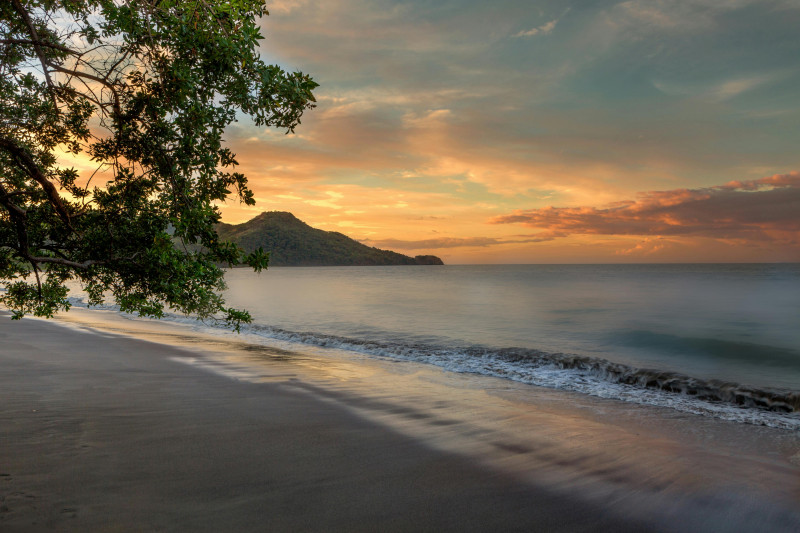
Are you an American or Canadian dreaming of a life filled with sunshine, warm welcomes, and a slower pace? Guanacaste, Costa Rica, might be calling your name. This guide offers a realistic look at what to expect when trading the hustle of North America for the renowned pura vida lifestyle. We'll explore everything from the cost of living to community life, giving you the insights needed to make your Costa Rican dream a well-planned reality.
Why Consider Living in Guanacaste, Costa Rica?
Guanacaste has become a great place for many North Americans seeking a change of scenery and a higher quality of life. Its stunning Pacific coast, combined with a welcoming culture, creates an irresistible draw for those looking to escape colder climates and embrace a more relaxed existence.
Beyond the natural beauty, the region offers a stable environment with modern amenities. The growing real estate market provides plenty of options for finding your perfect spot, whether you're looking for a vacation home or a permanent residence. Many find it the perfect balance between tropical living and modern convenience.
What Makes Guanacaste Unique for North Americans?
Guanacaste offers a unique blend of accessibility and authentic culture that sets it apart for North Americans. Unlike some remote destinations, Guanacaste has amenities like the Liberia International Airport, providing easy travel to and from the United States and Canada. This makes visiting family or managing business back home much simpler. The "pura vida" philosophy is a tangible part of daily life, encouraging a less stressful, more mindful existence that many find refreshing.
The pros of living here include the fantastic climate, friendly people, and the beautiful natural surroundings. However, some cons can include a higher cost for imported goods, bureaucratic red tape, and the "mañana time" attitude, where things may not happen as quickly as you're used to. While not a bustling metropolis like major cities back home, areas like Playa Flamingo and others along the Pacific coast offer a comfortable lifestyle.
Furthermore, the real estate landscape is varied, offering everything from modest condos to expansive villas. This variety allows people with different budgets and goals to find a foothold in this tropical paradise, making it a practical choice for a wide range of individuals and families.
Popular Reasons Americans and Canadians Move to Guanacaste
Many Americans and Canadians are drawn to Guanacaste for a combination of lifestyle improvements and practical benefits. A primary driver is the desire for a better quality of life, where sunny weather and beautiful beaches replace long winters and urban stress. The laid-back pace and emphasis on well-being are major attractions.
The rise of remote work has also made Guanacaste a feasible option for a younger demographic, who can now trade their office cubicle for a home with ocean views. The lower cost of living, particularly compared to major metropolitan areas in North America, allows for a more comfortable life on a smaller budget.
Key motivations for the move include:
- Improved Quality of Life: Embracing a slower, healthier, and more outdoor-oriented lifestyle.
- Affordability: Enjoying a lower cost of living and making your money go further.
- Climate and Scenery: Swapping snow for sunshine and enjoying the region's stunning landscapes.
- Remote Work Opportunities: Taking advantage of reliable internet to work from a beautiful location.
Expat Life in Guanacaste, Costa Rica
A typical day in Guanacaste is often shaped by the sun and the tides. For many expats, the pura vida lifestyle begins with an early morning walk on the beach, a surf session, or a cup of rich Costa Rican coffee enjoyed with stunning ocean views. The rhythm is slower and more connected to nature, a stark contrast to the rush of city life.
Your afternoons might be spent running errands, exploring local markets for fresh produce, or engaging in various outdoor activities. The region is a playground for adventure, offering everything from water sports like snorkeling and paddleboarding to hiking and birdwatching in nearby national parks. Evenings are often a social affair, with gatherings at local restaurants or quiet moments watching the sunset.
Life here encourages you to be active and present. While modern conveniences are available, the focus shifts away from consumerism and toward experiences. It's about enjoying simple pleasures, connecting with the community, and making the most of the incredible natural environment that surrounds you.
Most Popular Areas and Neighborhoods for Expats
Guanacaste's Pacific coast is dotted with communities that have become magnets for expats from around the world. Each beach town and inland village offers a distinct atmosphere, attracting different types of people, from retirees to young families and digital nomads. Places like Playas del Coco have developed into vibrant hubs where North Americans and locals create a lively, multicultural community.
Whether you're drawn to the energy of a bustling tourist center or the tranquility of a secluded village, you'll find plenty of options. The following sections will explore some of the most favored coastal and inland areas, helping you discover which neighborhood might be the right fit for your new Costa Rican life.
Beach Towns Favored by Foreigners
Several beach towns in Guanacaste have become particularly popular with foreigners, each offering its own unique charm. Playa Flamingo is known for its beautiful white sandy beaches and upscale feel, with a new marina attracting boating enthusiasts. It offers a more polished and resort-style living experience along the Pacific Ocean.
For those seeking a quieter, more family-friendly atmosphere, Playa Hermosa is a top choice. Its name, meaning "beautiful beach," is well-deserved, with calm waters perfect for swimming and a laid-back vibe. Las Catalinas presents another unique option, designed as a car-free town that promotes a walkable, community-focused lifestyle with stunning architecture and easy beach access.
Other popular spots include the lively Playas del Coco, a hub for expats with a vibrant nightlife and social scene, and Tamarindo, famous for its surf culture. These towns provide a range of lifestyles, from serene and relaxed to active and social, ensuring there's a perfect coastal spot for everyone.
Inland Communities and Their Appeal
While the coast gets much of the attention, Guanacaste's inland areas offer a different but equally appealing lifestyle. Towns like Liberia, the provincial capital, serve as commercial hubs with modern amenities, quality healthcare, and a lower cost of living compared to many coastal hotspots. Its proximity to the airport and beaches makes it a convenient and practical choice.
Inland rural areas such as Sardinal and the regions around Santa Cruz provide a more authentic Costa Rican experience. Here, you'll find close-knit communities, a slower pace of life, and often more affordable real estate investment opportunities. These towns offer a balance of tranquility and convenience, with easy access to the beaches just a short drive away.
Living inland appeals to those who want to immerse themselves more in the local culture, away from the tourist crowds. It's a chance to enjoy the region's natural beauty from a different perspective, surrounded by rolling hills and traditional charm, while still being connected to the amenities of the Central Pacific region.
Comparing Urban and Rural Living in Guanacaste
Choosing between an urban or rural setting in Guanacaste depends entirely on your lifestyle preferences and priorities. Urban areas, like Liberia or the more developed beach towns, offer convenience, with easy access to shops, restaurants, healthcare, and better transportation options. You are more likely to find reliable internet and other modern comforts here.
On the other hand, rural living provides a more tranquil and immersive experience. You'll be closer to nature, enjoy more privacy, and likely find a lower cost of living. However, this can come with challenges, such as unpaved roads, less stable utility services, and a greater need for self-sufficiency.
Here’s a quick comparison:
- Urban Living: More amenities, better infrastructure, and stronger social hubs.
- Rural Living: Greater tranquility, lower costs, and a more authentic cultural experience, but potentially more infrastructure challenges.
- Internet: Fiber-optic is expanding in urban and popular beach areas, while rural zones may have slower connections.
The Beginner’s Guide to Moving to Guanacaste
Making the move to Guanacaste can be an exciting journey, but it requires careful planning. The first step in your relocation is thorough research. Understanding the real estate market, visa requirements, and the cost of living will set you up for a smooth transition into your new home.
This guide will walk you through the essential steps, from gathering your documents to finding the right neighborhood. With the right preparation, you can navigate the process confidently and turn your dream of living in Costa Rica into a reality.
What You’ll Need to Get Started: Documents, Finances, and Research
Before you pack your bags, it's crucial to get your affairs in order. The first phase of your move involves gathering legal documents, assessing your finances, and conducting in-depth research. Costa Rica's bureaucracy can be slow, so having everything prepared in advance will save you time and headaches.
You'll need to think about your financial situation, including your expected monthly income and any potential rental income. Create a detailed budget that accounts for everything from housing costs per square meter to daily expenses. While Guanacaste can be affordable, costs vary, and a realistic financial plan is essential. Don't forget to factor in one-time moving expenses.
Here are some key items to prepare:
- Legal Documents: Your passport, birth certificate, and marriage certificate, all apostilled.
- Financial Proof: Bank statements or letters proving a stable monthly income to meet residency requirements.
- Background Check: A criminal background check from your home country.
Step-by-Step Process for a Smooth Move
A successful move to Guanacaste is all about breaking the process down into manageable steps. The first step is always research, but after that, it's time to take action. Planning your move methodically will help you avoid common pitfalls and ensure your transition to the pura vida lifestyle is as seamless as possible.
Start by creating a timeline. This should include deadlines for applying for your visa, selling or renting your property back home, and booking your travel. Having a clear plan will keep you organized and reduce stress. It also provides a framework for making decisions along the way.
As you move through the process, remember to stay flexible. Things may not always go exactly as planned, and that's okay. With easy access to information and a positive attitude, you can navigate any challenges that arise and look forward to settling into your new home. The following sections will detail each step.
Step 1: Research Visa and Residency Options
Understanding Costa Rica's visa and residency requirements is one of the most critical parts of your move. The country offers several pathways to legal residency, each with its own set of requirements. It's highly recommended to consult with an immigration lawyer to determine the best option for your situation.
For retirees from the United States or Canada, the Pensionado visa is a popular choice. It requires proof of a stable monthly income of at least $1,000 from a source like Social Security or a pension. Another option is the Rentista visa, which is for individuals with a stable income from investments or other sources, requiring proof of $2,500 per month.
The recently introduced Digital Nomad visa is ideal for remote workers. This visa allows you to live and work legally in Costa Rica for a foreign company. Starting the application process from your home country is often easier and less expensive, so begin your research and paperwork well in advance of your planned move.
Step 2: Secure Housing and Accommodation
Once you have a handle on your legal status, the next step is finding a place to live. The real estate market in Guanacaste offers a wide range of options, from rental apartments to homes for sale. It's a good idea to rent for six months to a year before buying, as this gives you time to explore different neighborhoods and find the perfect fit.
When searching for a home, consider what's important to your family. Do you need to be close to schools, like the ones near Playas del Coco? Is a quiet, secluded area more your style, or do you prefer a lively community? Visiting different areas and talking to other expats can provide valuable insights. A great place for one person might not be for another.
Working with a reputable real estate agent can make the process much easier. They can help you navigate the market, understand local property laws, and find a home that meets your needs and budget. Whether you're looking for a primary residence or a property with rental income potential, professional guidance is invaluable. Amer Musharbash Real Estate is a great resource for finding homes for sale in Guanacaste.
Step 3: Plan Your Finances and Budget
Creating a detailed budget is essential for a successful move to Guanacaste. While the cost of living can be lower than in North America, it's important to have a realistic understanding of your potential expenses. Your monthly income and any rental income you expect should be carefully weighed against your projected costs.
Start by tracking your current spending to get a baseline. Then, research the cost of goods and services in Costa Rica. Factors like housing costs per square meter, utilities, food, transportation, and healthcare should all be included in your new budget. Remember that imported goods are often more expensive, so your spending habits may need to adjust.
To effectively manage your finances:
- Estimate Housing Costs: Research rental and purchase prices in your desired areas.
- Factor in Utilities: Include electricity (especially for air conditioning), water, and internet.
- Plan for Daily Expenses: Budget for groceries, dining out, and transportation.
Step 4: Understand Healthcare and Insurance
Costa Rica is known for its high-quality, affordable healthcare system. As a legal resident, you will be required to join the public healthcare system, known as the Caja. This provides universal coverage for doctor visits, hospital care, and prescriptions in the Costa Rican system for a monthly fee based on your income.
Many expats also choose to carry private health insurance. This provides access to private services, which often means shorter wait times, English-speaking doctors, and more modern facilities. Private medical care is significantly less expensive than in the United States, with consultations costing around $50-$100.
Before your move, research both public and private options to decide what's best for you. Ensure you have a plan for any pre-existing conditions and know where the nearest clinics and hospitals are in your new community. Having a solid healthcare and insurance strategy is a key part of feeling secure in your new home.
Step 5: Prepare for Cultural Differences and Language
Adjusting to a new culture is a significant part of moving abroad. The Costa Rican "pura vida" lifestyle is relaxed and friendly, but it can also be a source of culture shock for North Americans used to a faster pace. Patience is key, as things often move on "Tico time."
While English is widely spoken in tourist areas, learning some Spanish will greatly enrich your experience. It allows for deeper connections with the local community and makes navigating daily life much smoother. Even a few basic phrases will be appreciated and can open doors to new friendships.
To ease the transition:
- Learn the Language: Enroll in a Spanish class before or after you arrive.
- Be Open-Minded: Embrace the slower pace and prioritize relationships over schedules.
- Connect with Others: Join expat groups and participate in community events to build a support network.
Cost of Living in Guanacaste for Americans and Canadians
One of the biggest questions for anyone considering a move is about the cost of living. While Guanacaste can offer a lower cost of living compared to many parts of North America, it's not as cheap as it once was. Your lifestyle choices will have the biggest impact on your monthly expenses.Factors like where you shop for groceries, how often you eat out, and your transportation options will all play a role in your budget. The following sections will break down typical monthly expenses and offer strategies for managing your finances effectively in your new Costa Rican home.
Typical Monthly Expenses: Rent, Utilities, Food, and Transportation
For a single person, a comfortable life in Guanacaste can be achieved on a budget of around $3,200 to $4,800 per month. Housing is typically the largest expense, with rent for a simple apartment starting around $800 and going up significantly for homes with more amenities or ocean views.
Utilities, especially electricity, can be a major cost, particularly if you rely heavily on air conditioning during the hot dry season. Food costs can be managed by shopping at local markets and farmers' markets, while transportation expenses will vary depending on whether you own a car or use public transport.
Here is a sample monthly budget for a single person living comfortably:
Expense Category | Estimated Monthly Cost (USD) |
|---|---|
Rent (2-bedroom condo) | $1,200 - $2,500 |
Utilities (electricity, water, internet) | $150 - $400 |
Food (groceries and dining out) | $500 - $800 |
Transportation (car or public) | $200 - $500 |
Healthcare (private insurance) | $100 - $300 |
Entertainment & Miscellaneous | $250 - $500 |
| $2,400 - $5,000 |
Comparing Costs with Major US and Canadian Cities
When you compare the cost of living in Guanacaste to major cities in the US and Canada, the difference can be substantial. For many North American expats, the financial relief is a major draw. Housing, in particular, tends to be more affordable, whether you are renting or looking at real estate for purchase.
While daily expenses like groceries can be on par with or even higher for imported goods, the overall cost of living allows for a higher quality of life for less money. A budget that might barely cover rent and basic necessities in a city like New York or Vancouver could afford you a comfortable home on the Pacific coast, with money left over for travel and leisure.
However, it's important to remember that this isn't a universal rule. Recent years have seen prices rise in popular expat areas. A careful comparison based on your personal spending habits is crucial to determine if the move will be financially beneficial for you.
Strategies for Managing Your Budget in Costa Rica
Living on a budget in Guanacaste is all about making smart choices and adopting local habits. One of the best ways to manage your cost of living is to embrace the local lifestyle. This means shopping where the locals shop and eating what's in season.
Instead of relying on expensive imported goods from large grocery stores, explore the local farmers' markets (ferias) for fresh, affordable local produce. This not only saves you money but also supports the local economy and provides a fun cultural experience. Similarly, eating at "sodas" (small, family-run restaurants) offers a delicious and budget-friendly alternative to tourist-oriented establishments.
To keep your budget in check:
- Shop Local: Buy fruits, vegetables, and meats from local markets and butchers.
- Limit AC Use: Use fans and natural breezes to cool your home and save on electricity.
- Use Public Transportation: For shorter trips, local buses are an incredibly cheap and efficient way to get around.
Community Life and Integration for Expats
Moving to a new country is about more than just a change of address; it's about building a new life. In Guanacaste, you'll find a vibrant and welcoming community of expats, digital nomads, and locals. Creating a strong sense of community is a key part of a successful transition, and there are plenty of opportunities for social activities.
Whether you're looking to connect with fellow expats or integrate more deeply into the Costa Rican culture, Guanacaste offers a supportive environment. The following sections will explore how locals and newcomers connect, the types of social groups available, and how to navigate the cultural landscape.
How Expats and Locals Connect in Guanacaste
In Guanacaste, the lines between expat and local communities often blur, creating a unique and integrated social fabric. While expats naturally gravitate toward each other, many find that their most rewarding connections are with their Costa Rican neighbors. A genuine effort to speak Spanish, even if it's just a few phrases, goes a long way in bridging cultural gaps.
Local festivals, farmers' markets, and community events are fantastic places to meet people and practice your Spanish. Ticos are generally warm and welcoming, and they appreciate when foreigners show an interest in their culture. Sharing a meal, volunteering for a local cause, or simply striking up a conversation at the local "pulpería" (corner store) can lead to lasting friendships.
Building a sense of community takes time and effort, but the rewards are immense. By stepping outside the expat bubble and engaging with the local culture, you'll gain a richer, more authentic experience of life in Costa Rica. This interaction is where the true "pura vida" spirit is found.
Social Activities and Expat Groups
Guanacaste offers a wide array of social activities that make it easy to meet people and build a community. The region's focus on outdoor activities means that many social connections are forged on the beach, in the water, or on a hiking trail. Group surf lessons, yoga classes, and organized tours are great ways to connect with like-minded individuals.
Expat groups, both online and in-person, are also a valuable resource. Facebook groups for specific towns or interests are common, providing a platform for asking questions, sharing advice, and organizing get-togethers. These groups often host regular social events, from potlucks to beach clean-ups, helping newcomers feel welcome.
Popular activities to join include:
- Sports and Recreation: Joining local clubs for soccer, volleyball, or water sports.
- Volunteer Work: Getting involved with local schools, animal shelters, or environmental organizations.
- Hobby Groups: Finding groups for everything from horseback riding and book clubs to music and art classes.
Navigating Culture Shock and Language Barriers
Even in a welcoming place like Guanacaste, culture shock is a real and normal part of the expat experience. The relaxed "pura vida" lifestyle, while charming, can be frustrating when you're trying to get something done on a deadline. The concept of time is more fluid here, and learning to go with the flow is an essential survival skill.
The language barrier can also be a significant challenge. While you can get by with English in many places, not speaking Spanish can lead to feelings of isolation and dependence. It can make simple tasks, like dealing with government offices or mechanics, much more complicated.
The key to navigating these challenges is patience and a positive attitude. Celebrate small victories, like successfully ordering coffee in Spanish or understanding a local joke. Remember why you chose the Costa Rican lifestyle in the first place, and give yourself grace as you adjust. Every expat goes through this process.
Living in Guanacaste, Costa Rica offers a unique blend of adventure, community, and culture that can be truly rewarding for Americans and Canadians. As you contemplate this exciting journey, remember that understanding the local lifestyle, costs, and integration strategies is essential for a smooth transition. From beautiful beach towns to vibrant inland communities, Guanacaste has something for everyone. Embrace the warmth of the local culture while preparing for the changes that come with moving abroad. With the right preparation and mindset, you’ll find yourself thriving in this paradise. If you have any questions or need assistance in planning your move, get in touch with us!
Frequently Asked Questions
Is Guanacaste still a good place for Americans and Canadians to move in 2024?
Yes, Guanacaste remains a highly desirable destination for expats in 2024. Despite a rising cost of living, the appeal of its pura vida lifestyle, welcoming communities, and attractive real estate options continues to draw Americans and Canadians seeking a better quality of life and a warm climate.
What are the common challenges expats face in Guanacaste?
Common challenges for North American expats include culture shock due to the slower pace of life, navigating the Costa Rican bureaucracy, and the language barrier. In more rural areas, infrastructure issues like unpaved roads and less reliable internet can also be a hurdle for some.
How do I find the right neighborhood in Guanacaste for my family?
To find the right neighborhood, visit different areas and consider your family's needs. A lively beach town like Playas del Coco is a great place for social families, while Playa Flamingo offers a more upscale feel. Renting before buying property in Costa Rica allows you to experience a community firsthand.
What should I know about safety and healthcare in Guanacaste?
Guanacaste is generally safe, with petty crime being the main concern. The healthcare system is excellent, offering both public Costa Rican medical care (Caja) and affordable private services. Access to quality healthcare significantly contributes to the high quality of life many expats enjoy in the region.